Specifications :
Select a chromosome from the “DNA Edit”,“DNA Original”, or “DNA Modified” dropdown menus.
|| DNA Edit
On the “DNA Edit” page, click to modify the DNA and save the modified DNA in the database.
|| DNA Original, DNA Modified ( PC only / Chrome browser recommended )
In the “DNA Original” section, you will find the page with the original DNA. In the “DNA Modified” section, you will find the page with the modified DNA. Click on “click to start” to begin scrolling through the page (it may take a few minutes to load). The modified DNA will be displayed in red text.
|| Genome
All the information of an organism, consisting of all the base sequences of DNA.
(The human genome comprises approximately 3 billion base pairs.)
|| DNA
A substance that stores the genetic information of organisms. DNA consists of four types of bases: A (adenine), T (thymine), G (guanine), and C (cytosine). The sequence of these bases is called the base sequence.
|| Chromosome
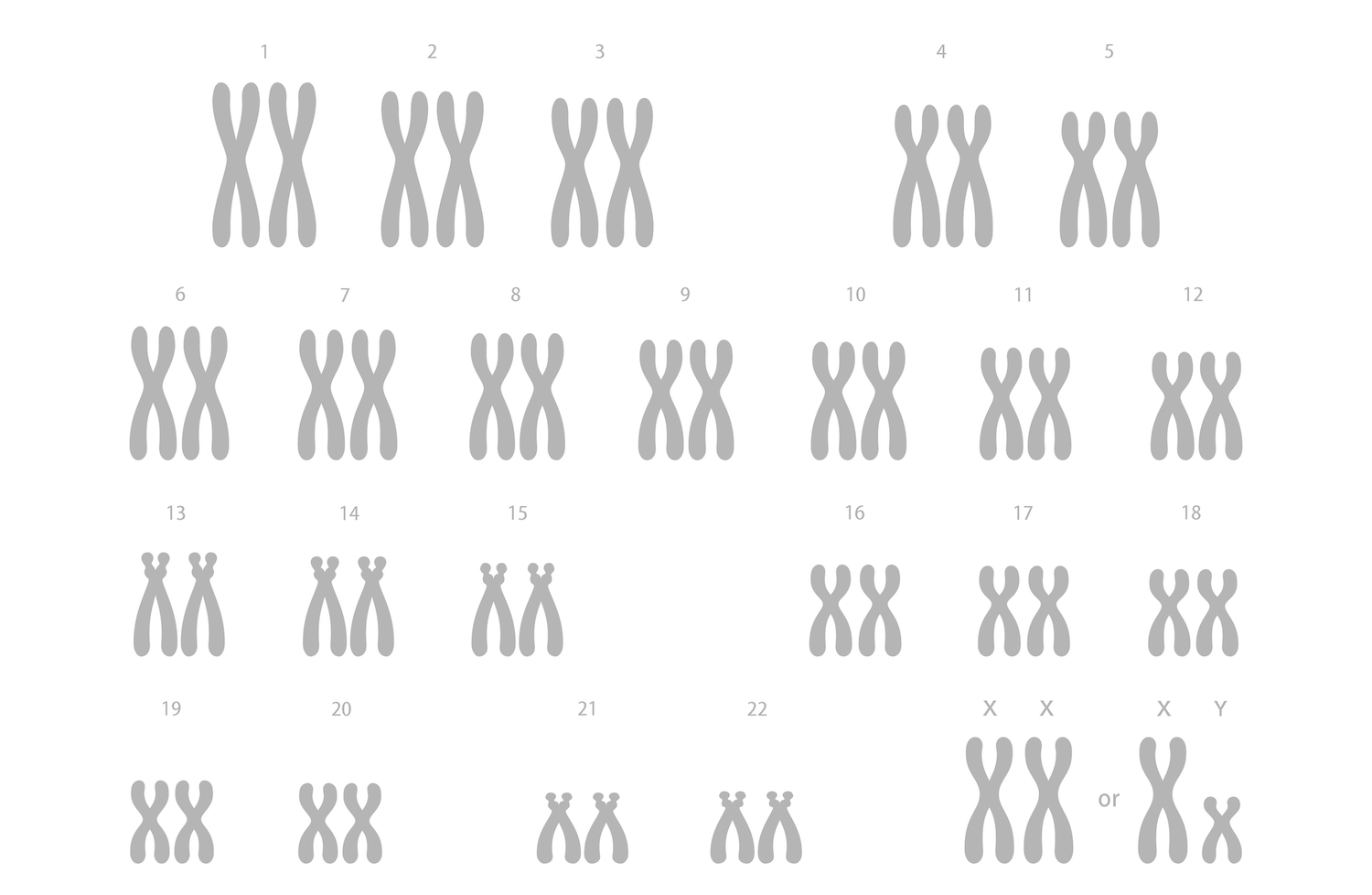
The nucleus of a human cell contains 46 chromosomes in 23 pairs, which store the DNA. These include autosomes 1 through 22 and the sex-determining sex chromosome. (In addition to the chromosomes, there is also DNA in the mitochondria within the cell.)
The act of randomly modifying DNA through the Internet symbolizes the integration of digital technology with the fundamental structure of life. While DNA modification in the real world requires strict control, in the digital realm, modifications can occur instantly and in limitless iterations, emphasizing the elements of "chance" and "selection" as metaphors for life's evolutionary processes.
Altering DNA online through artificial manipulation and simulated mutations raises fundamental questions about the nature of evolution. Traditionally, evolution is the result of natural selection and adaptation in response to environmental factors. However, in the digital space, the environment is abstract, allowing for the exploration of infinite possibilities. This creates a new "evolutionary environment" free from physical constraints, prompting deeper inquiries into the concept of life itself.
Moreover, digital modifications represent a "data life" that transcends physical biological limitations, symbolizing an experimental evolution of virtual life. Within the digital "ecosystem," where endless combinations are tested, this process hints at the potential for new forms of life and intelligence. It serves as an opportunity to rethink the future of evolution and its implications.
DNA modification via the Internet serves as an exploration of new life forms and evolutionary concepts, intertwining the unpredictability of evolution with humanity's creative potential. It challenges the boundaries between technology and biology, raising new questions about humanity's role in shaping life, our vision for the future, and the ways we conceptualize life and evolution moving forward.